
ADA-Compliant Concrete Ramps for St. Louis Commercial Properties
Protect your business from costly compliance violations with accessible entry solutions.
Fully ADA-Compliant Designs

Commercial Specialists
Serving St. Louis & Metro East
ADA Ramp Requirements Explained
ADA ramp construction must meet strict federal accessibility guidelines. The most critical factors include:
Proper slope and rise ratios
Required landing dimensions
Slip-resistant surfaces
Handrail requirements (when applicable)
Non-compliant ramps can expose your property to liability and fines. Proper design and installation are essential.
When considering ADA compliance, it’s crucial to think from the perspective of those with mobility challenges. For example, a wheelchair user should be able to navigate the ramp without excessive effort. A ramp that causes undue strain fails to provide true accessibility and remains a barrier.
At B&K Concrete, we emphasize designing and constructing ramps that not only meet ADA standards but also provide practical accessibility for users. Ensuring ease of use is a top priority in all our projects.

Designing Ramps That Meet Code
Maximum Slope & Rise Guidelines
ADA regulations limit ramp steepness to ensure safe wheelchair access.
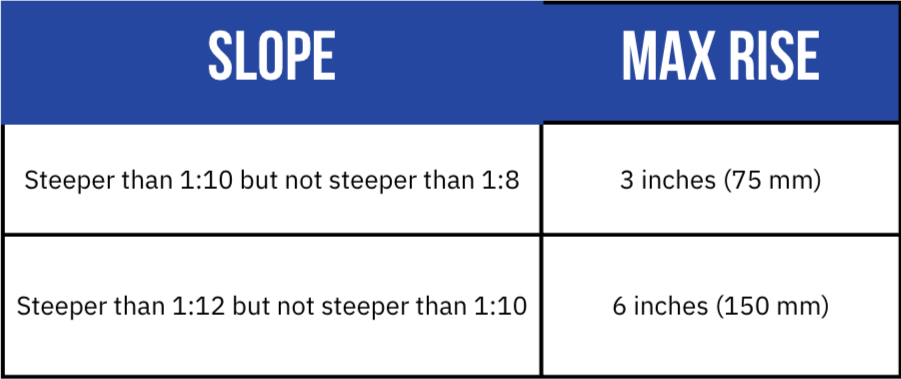
A 6-inch rise requires a longer ramp than a 3-inch rise to maintain compliance. Shortcuts can result in inspection failure.
Why Commercial Properties Choose B&K Concrete
Expertise in ADA Compliance
B&K Concrete brings extensive experience and a deep understanding of ADA regulations, ensuring that every ramp we install is fully compliant with the latest standards. By choosing us, you benefit from our meticulous attention to detail and commitment to excellence in ADA compliance.
Customized Solutions
Our expert team conducts thorough site assessments to determine the optimal location and design for your ADA-compliant ramp, ensuring it integrates seamlessly with your existing infrastructure. We prioritize functionality and aesthetics, creating ramps that enhance accessibility while complementing the overall look of your business premises.
Durable and High-Quality Construction
Our commitment to quality means that your ramp will provide reliable, long-lasting accessibility for years to come, minimizing maintenance costs and ensuring peace of mind for you and your customers. Trust B&K Concrete for ramps that combine strength, durability, and superior craftsmanship.
What Our Commercial Clients Say
– Property Manager, St. Louis Retail Center
"We couldn't be happier with the ADA ramp installed by B&K Concrete. From the initial consultation to the final inspection, their team demonstrated exceptional professionalism and expertise.”
Office Complex Owner, Metro East
“The quality of [B&K Concrete’s] work is outstanding, and the ramp is sturdy and aesthetically pleasing. We've had no issues with compliance, and our tenants appreciate the enhanced accessibility.“
FAQs
-
No. Handrails are required when a ramp rise exceeds 6 inches or when the ramp run is longer than 72 inches. If the ramp is below those thresholds, handrails may not be required. However, each site must be evaluated carefully to ensure full ADA compliance and local code alignment.
-
ADA ramps should be constructed from durable, slip-resistant materials that can withstand heavy use and various weather conditions. Common materials include concrete, treated wood, and metal. Concrete is often preferred for its durability and low maintenance requirements, making it an ideal choice for high-traffic areas.
-
To maintain ADA compliance, regular inspections and maintenance of the ramp are crucial. This includes checking for any damage, wear, or obstructions that could affect accessibility. It's also important to stay informed about any updates to ADA regulations and make necessary adjustments to ensure ongoing compliance. Working with a knowledgeable contractor like B&K Concrete can help ensure your ramp remains compliant and in excellent condition.
-
The maximum allowable slope for an ADA ramp is 1:12, meaning for every 1 inch of vertical rise, there must be at least 12 inches of ramp length. Steeper slopes are not compliant for permanent commercial installations. Proper slope calculation is critical to ensure accessibility and inspection approval.
-
In most cases, yes. Commercial ADA ramp installations typically require a building permit and inspection through the City of St. Louis or the applicable municipality in St. Louis County or Metro East. Permit requirements vary by jurisdiction, so we verify local regulations before beginning any project.
-
Most commercial ADA ramp installations take 2–5 days, depending on the size, grading requirements, demolition needs, and curing time. Larger or more complex projects may take longer. We provide a clear project timeline during your estimate.
Get Your Concrete ADA Ramp Quote
In-Person

Free Quote
No Sales Pressure