Concrete Driveway Replacement: When Repair Isn’t Enough
For homeowners in St. Louis and surrounding areas in the Metro East, driveway damage often starts small—hairline cracks, surface flaking, minor settling. In many cases, concrete repair is sufficient. But there comes a point when patching is no longer cost-effective, and full concrete driveway replacement becomes the smarter long-term solution.
Understanding when to repair and when to replace can protect both your home’s curb appeal and your investment.
When Concrete Repair Is Enough
Not every driveway needs to be torn out. Concrete repair may be appropriate if:
Cracks are narrow and not expanding
Surface scaling is minor
Drainage is still functioning properly
The slab remains structurally stable
Crack filling, resurfacing, or joint repair can extend the life of a driveway for several years when underlying conditions are sound.
Signs It’s Time for Concrete Driveway Replacement
There are clear indicators that repairing alone won’t solve the problem.
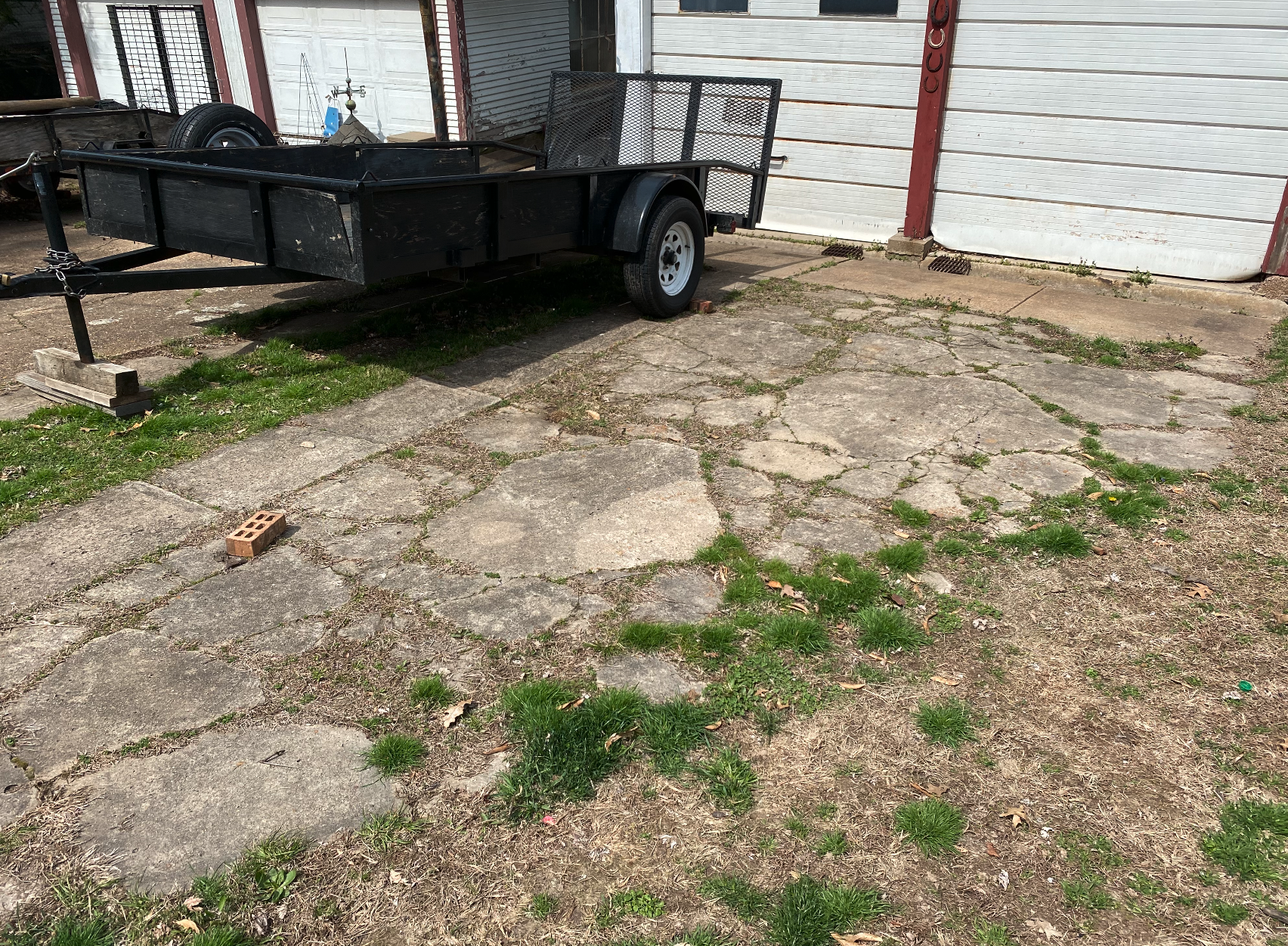
Damaged Concrete Driveway - Arnold, MO
Widespread Cracking
If cracks run across multiple sections of the driveway or form a network pattern, the slab may be structurally compromised.
Uneven or Sunken Slabs
Settling caused by soil movement creates trip hazards and drainage issues. When slabs shift significantly, leveling repairs may not provide a permanent fix.
Severe Spalling or Surface Deterioration
When the surface layer begins breaking apart extensively, repeated patching often becomes temporary and costly.
Drainage Failures
Pooling water accelerates deterioration. If the driveway was improperly graded, replacement may be necessary to correct slope and runoff.
In these cases, homeowners searching for “concrete replace” solutions are typically better served by full removal and re-pouring.
Why Replacement Can Be the More Cost-Effective Choice
While concrete driveway replacement requires a larger upfront investment, it often:
Eliminates recurring repair costs
Improves property value
Enhances curb appeal
Corrects underlying grading or base issues
Repeated concrete repair on a failing slab can exceed the cost of replacement over time.
Upgrade Opportunities During Replacement
One major advantage of replacement is the opportunity to upgrade your driveway’s appearance and durability.
Many homeowners in St. Louis choose:
Stamped concrete for decorative finishes
Textured or broom finishes for improved traction
Enhanced thickness for heavy vehicle loads
Improved base preparation to prevent future settling
Stamped concrete offers the look of stone or brick with the durability of poured concrete, making it a popular choice for both driveways and adjacent walkways.
Why Climate Matters in St. Louis
The freeze-thaw cycles common in the St. Louis region accelerate deterioration in aging driveways. Older concrete that was not sealed or properly installed is especially vulnerable.
Replacing a driveway with modern materials and proper installation techniques helps ensure it withstands regional weather conditions for decades.
How the Replacement Process Works
A professional concrete driveway replacement typically includes:
Removal of existing concrete
Proper grading and base preparation
Installation of reinforcement (if needed)
Pouring and finishing the new slab
Controlled curing for long-term durability
Correct base preparation is often the most important factor in preventing future failure.
Final Thoughts
If your driveway has progressed beyond minor cracking or cosmetic wear, concrete driveway replacement may be the most practical and cost-effective option. For homeowners in St. Louis and nearby communities in the Metro East, replacing a failing driveway can restore both function and curb appeal.
A professional evaluation can determine whether targeted repair is sufficient—or if it’s time to replace the slab entirely.