How Poor Drainage Can Ruin Concrete Surfaces
Concrete is built to handle years of foot traffic, vehicles, and changing weather, but water can cause serious problems when it has nowhere to go. For homeowners in St. Louis, drainage issues around concrete can contribute to cracking, settlement, erosion, and premature deterioration.
Whether you have a concrete driveway, patio, walkway, or steps, managing water around the slab is an important part of protecting your investment. Understanding the connection between drainage and concrete cracks can also help you recognize problems before they turn into expensive concrete repair projects.
Why Water Is a Problem for Concrete
Concrete itself is durable, but the soil and base supporting it can be vulnerable to excessive water. When rainwater consistently collects beside or underneath a slab, it can gradually wash away or weaken the material supporting the concrete.
As that support changes, sections of concrete may begin to settle or shift. The resulting stress can eventually create cracks, uneven surfaces, or gaps between slabs.
Water can also penetrate existing cracks and pores in the concrete. During a St. Louis winter, that moisture can freeze and expand. Repeated freeze-thaw cycles can make existing damage worse and contribute to surface deterioration.
How Poor Drainage Causes Concrete Cracks
One of the most common questions homeowners have is how poor drainage causes concrete cracks. Often, the problem actually begins underneath the concrete.
Imagine rainwater repeatedly flowing toward one side of a driveway. Over time, that water can erode the soil or aggregate supporting the slab. If part of the base loses support while the rest remains stable, the concrete is forced to bridge the difference. Eventually, the stress may become greater than the slab can handle, and a crack forms.
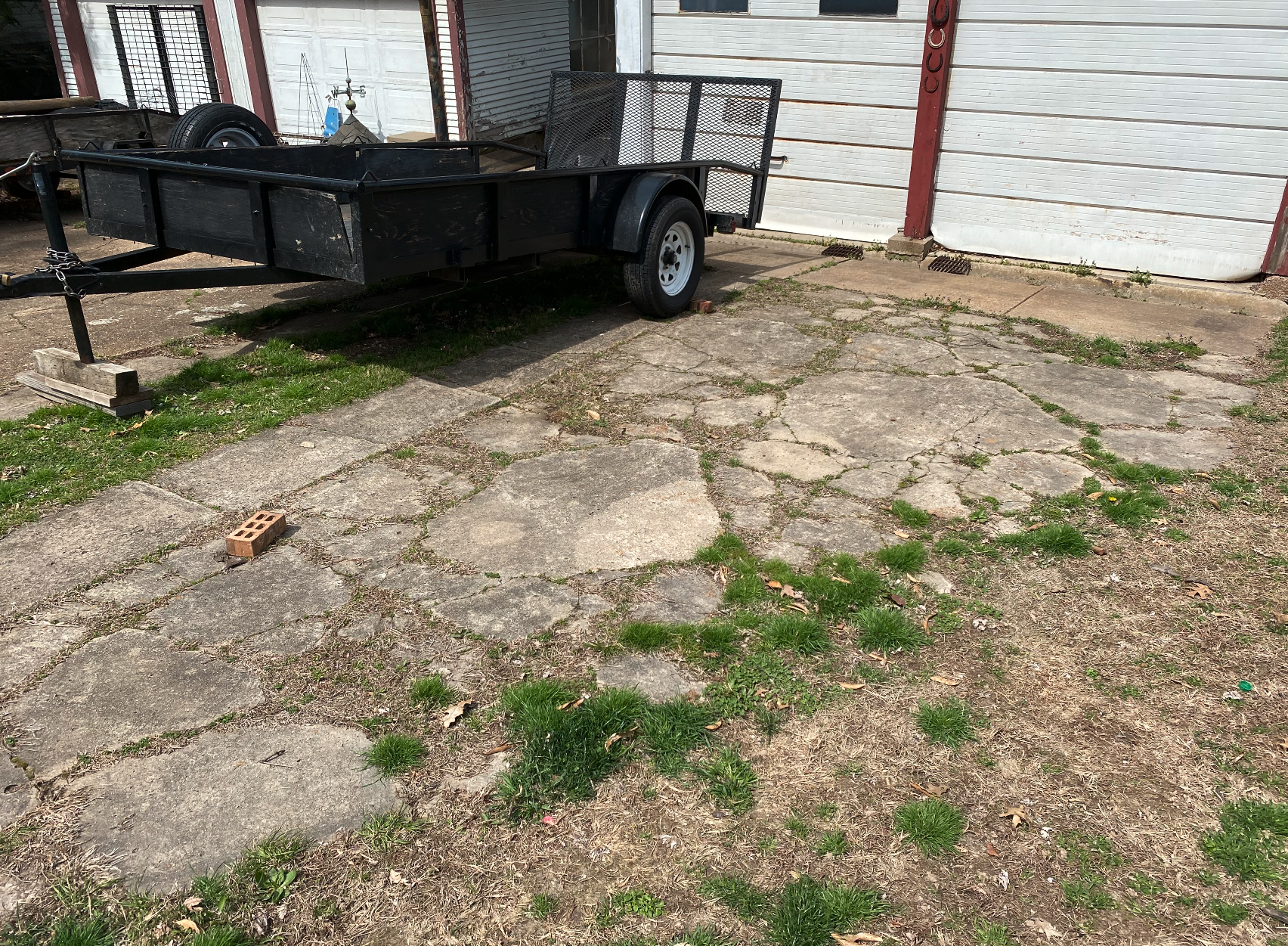
This is why repairing a crack without considering what caused it isn't always enough. If drainage is responsible and the underlying issue remains, the concrete may continue moving after the repair.
Signs of Drainage Issues Around Concrete
Standing water after a storm is the most obvious warning sign, but homeowners should pay attention to how water moves across the entire property.
Water consistently collecting along a driveway, patio, or foundation can indicate that the surrounding grade isn't directing runoff effectively. Soil washing away from slab edges, sunken sections of concrete, widening cracks, and recurring puddles can also point to a drainage problem.
A concrete professional can evaluate whether the damage is isolated to the concrete or whether grading, erosion, or site conditions are contributing to the problem.
Why St. Louis Homes Need Proper Concrete Drainage
Drainage is particularly important for residential concrete in the St. Louis area because our climate combines periods of heavy precipitation with temperatures that regularly move above and below freezing.
Water that collects around concrete can saturate the soil underneath it. Depending on the site's soil conditions, changes in moisture can contribute to movement beneath the slab. When winter arrives, moisture within and around the concrete also becomes vulnerable to freeze-thaw cycles.
Proper site preparation and grading are therefore important considerations when installing new concrete in St. Louis. A driveway or patio shouldn't simply look level—the finished grade needs to account for where water will go during the next heavy rain.
Drainage Problems Around Concrete Patios
Patios present their own drainage challenges because they're frequently installed directly beside the house. A poorly planned patio can allow water to collect near the slab or, more importantly, direct runoff toward the home's foundation.
When installing a new patio, a St. Louis concrete contractor should consider the elevation of the home, surrounding yard, downspouts, landscaping, and existing drainage patterns before determining the final grade.
The goal is to create a patio that works with the property rather than interrupting the natural path of water.
Drainage Problems Around Concrete Driveways
Driveways cover a much larger area, which means they can collect and redirect a significant amount of rainwater.
Problems can develop when a driveway directs runoff toward the garage, allows water to pool between slabs, or sends concentrated water toward an unsupported edge. Existing drainage issues can become even more important when a driveway is expanded or replaced because changing the amount and location of hard surface can change how runoff moves across the property.
That's why drainage should be part of the planning process—not something addressed after the concrete has already been poured.
Can Concrete Repair Fix Drainage Damage?
It depends on the condition of the slab and the cause of the damage.
Minor concrete cracks or isolated deterioration may be repairable when the slab remains stable. More significant settlement, widespread cracking, or an improperly graded surface may require partial or complete replacement.
The important part is identifying why the damage occurred. If poor drainage contributed to the problem, a lasting concrete repair for drainage damage should address both the damaged concrete and the water-management issue whenever possible.
Otherwise, homeowners may find themselves repairing the same area again.
Preventing Water Damage Before New Concrete Is Poured
The best time to address drainage is before concrete installation begins.
Professional site preparation allows a concrete contractor to evaluate existing elevations, remove unsuitable material, establish a stable base, and determine an appropriate slope for the finished surface. The surrounding property also needs to be considered so runoff has somewhere appropriate to go once it leaves the concrete.
This work may not be the most noticeable part of a finished driveway or patio, but it can have a major impact on how the concrete performs over time.
When to Have a Concrete Professional Inspect Your Property
A few small cracks don't automatically mean a driveway or patio needs replacement. However, recurring water problems combined with cracking, settlement, erosion, or significant changes in elevation are worth investigating.
An experienced concrete professional in St. Louis can look beyond the visible damage and evaluate the site conditions surrounding it. Determining whether the problem involves the slab, its base, drainage, or a combination of factors makes it easier to choose an appropriate repair or replacement strategy.
Protect Your St. Louis Concrete From Drainage Problems
Good concrete starts below the surface, and its long-term performance depends partly on what happens when it rains. Proper grading, site preparation, and water management can help reduce the conditions that contribute to settlement and concrete cracks.
If drainage issues are already affecting your driveway, patio, walkway, or other residential concrete, addressing the source of the problem is an important step before investing in another temporary fix. A knowledgeable St. Louis concrete contractor can evaluate the existing conditions and determine whether concrete repair, drainage improvements, or replacement makes the most sense for your property.